Podcast Affiliate Sponsorships: Plan the Read and the Listener Journey
Plan podcast affiliate sponsorships with a defined segment, truthful host context, a useful destination, documented terms, and careful follow-up reporting.
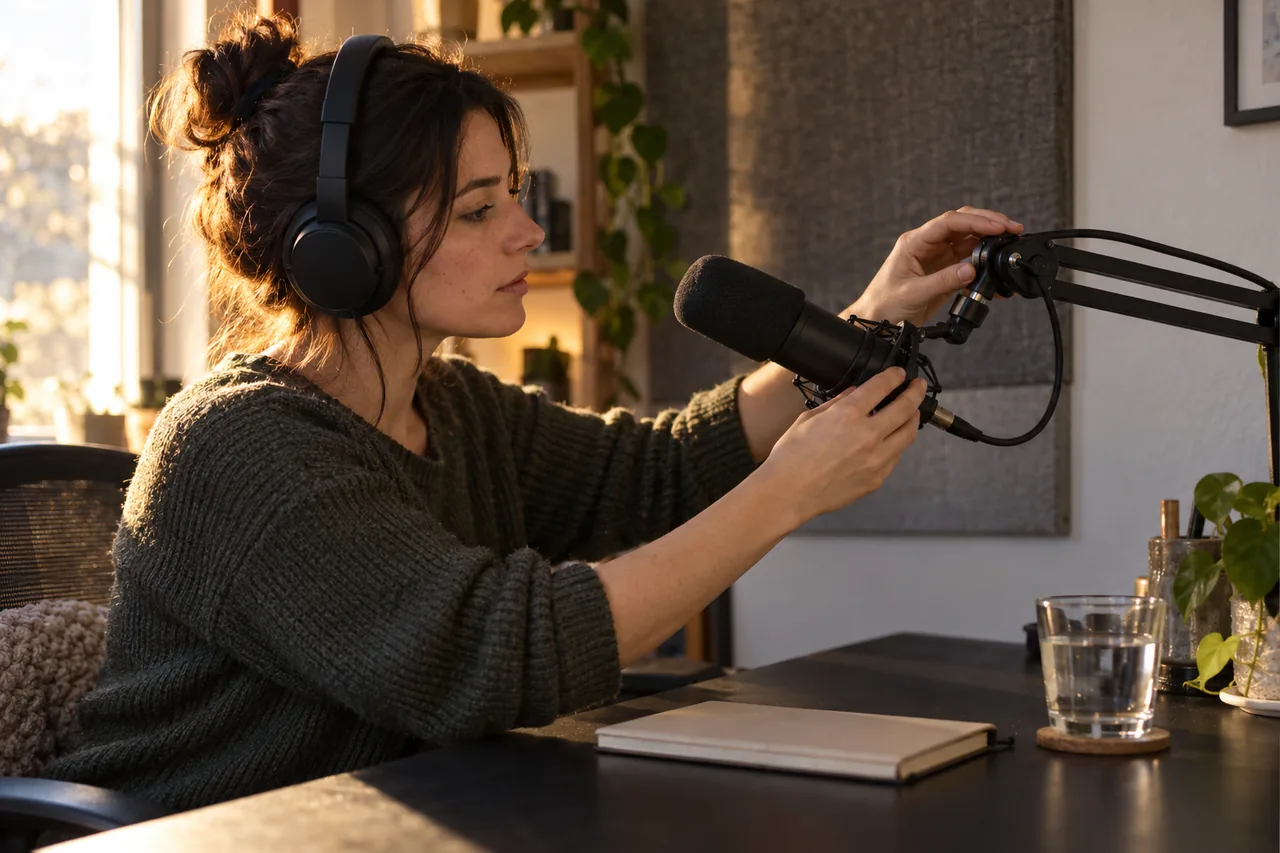
An affiliate podcast segment must work through sound alone. A listener may be driving, cooking, or away from a screen, so the message needs clear context and a memorable next step. Start by separating the educational conversation from the commercial arrangement. A host-read segment, a produced advertisement, and an affiliate recommendation can involve different scopes, but all benefit from a precise brief and honest claims.
Define the segment and the audience fit
Describe the listener problem the offer addresses and where the segment belongs in the episode. Avoid interrupting a complex discussion with an unrelated recommendation. Identify whether the host has actual experience with the product, is presenting verified information, or is reading approved advertising copy. The script should reflect that basis accurately.
Agree on the segment length, episodes, placement assumptions, and any companion materials. Specify whether editing, show notes, and future archive changes are part of the work. Record what the sponsor must provide, including current product details and a contact for claim verification. An oral script deserves the same factual attention as a written review.
Design a clear listening path
Explain the commercial relationship in plain language within the segment. Avoid making the audience infer it from a discount code or a rushed phrase. Give a simple next action and provide the full details in the episode’s companion resource. Verify that the affiliate program permits podcast distribution and the proposed method of referral.
Check a spoken destination for ambiguity. Names that sound alike or lengthy tracking addresses can make it hard to follow. If you use a memorable page on your own site, that page should contain substantial relevant context and accurately route the listener. Do not assume that a code and a link receive identical attribution under the agreement.
Worked example: a freelancer podcast
Imagine a fictional podcast episode about organizing client appointments. A relevant sponsorship segment introduces a scheduling service, identifies the commercial relationship, and explains which documented requirements a listener should check. The host has not used it personally, so the read avoids “I rely on this every day.”
The show notes point to a companion checklist about calendar compatibility and plan terms. The example includes no actual sponsor, commission rate, listener purchase story, or outcome. A later listener question about a particular calendar system is answered through official documentation instead of a confident guess recorded into a permanent episode.
Preserve the brief and review the archive
Save the approved script, evidence references, episode version, and agreed commercial terms. After publication, check the audio and show-note links as a listener would. If an important claim changes, decide whether to update the companion page, add context, or revise the archived segment where practical.
Report available observations using their actual definitions. Downloads or plays do not prove that someone heard the segment, visited the destination, or completed a qualifying action. Keep confirmed affiliate reporting distinct from podcast distribution data. A useful sponsorship review explains what was delivered and what remains uncertain, giving both sides a sound basis for a future conversation without exaggerated performance claims.
Frequently asked questions
Does a host-read segment require personal product use?
If the host describes personal experience, it must be genuine. A factual advertising read can use verified information while clearly avoiding claims of experience the host does not have.
Should the offer be in every episode?
Choose frequency based on audience relevance and the agreed scope. Repetition should not displace the editorial purpose or turn unrelated episodes into repetitive promotions.
About this guide
This guide presents an original planning framework and hypothetical examples. It does not report a product test or measured commercial result.
Program features, eligibility and terms can change. Check the official documentation before applying or promoting an offer. Examples in this guide are illustrative.
Put the next step into practice
Explore the free LinkRush campaign planner or continue learning below. Planning tools save your work in your browser.
Explore the workspace →