A Creator Product Sampling Policy That Protects Editorial Clarity
Set a product sampling policy covering acceptance criteria, shipping records, loan conditions, evaluation limits, honest publication decisions, and disclosures.
Receiving a product sample creates practical questions before it creates content. Is the item a gift or a loan? What does the sender expect? Can you evaluate it appropriately, and what happens if it does not fit the audience? A written sampling policy gives creators and partners a consistent starting point. It should preserve honest publication decisions rather than implying that delivery automatically guarantees a positive recommendation.
Define acceptance criteria
Accept samples that match your editorial focus and that you can handle responsibly. Ask for the exact model, intended audience, relevant instructions, and any conditions before the item is shipped. Identify whether the request includes a publication deadline, specific claims, or a paid campaign that requires a separate agreement.
Explain that acceptance does not establish a verdict or ensure publication unless an appropriate scope explicitly addresses the work. A creator may need to decline an item it cannot evaluate or a deadline it cannot meet. Do not accumulate samples merely because they are free; storage, evaluation, and administration consume real time.
Keep an intake and custody record
Record the sender, item, arrival date, condition, included materials, and whether it must be returned. For loans, clarify handling expectations, return arrangements, and the contact for problems. Avoid assuming that an informal message answers every responsibility. Photograph the arrival condition for internal records when useful, without exposing private shipping details.
Separate the sample record from editorial notes. An item being delivered does not prove performance, compatibility, or suitability. Identify what you can actually examine and which claims require additional evidence. Keep commercial context clear in any resulting endorsement; FTC identifies free products as relationships that may require disclosure.
Worked example: a creator receives a desk accessory
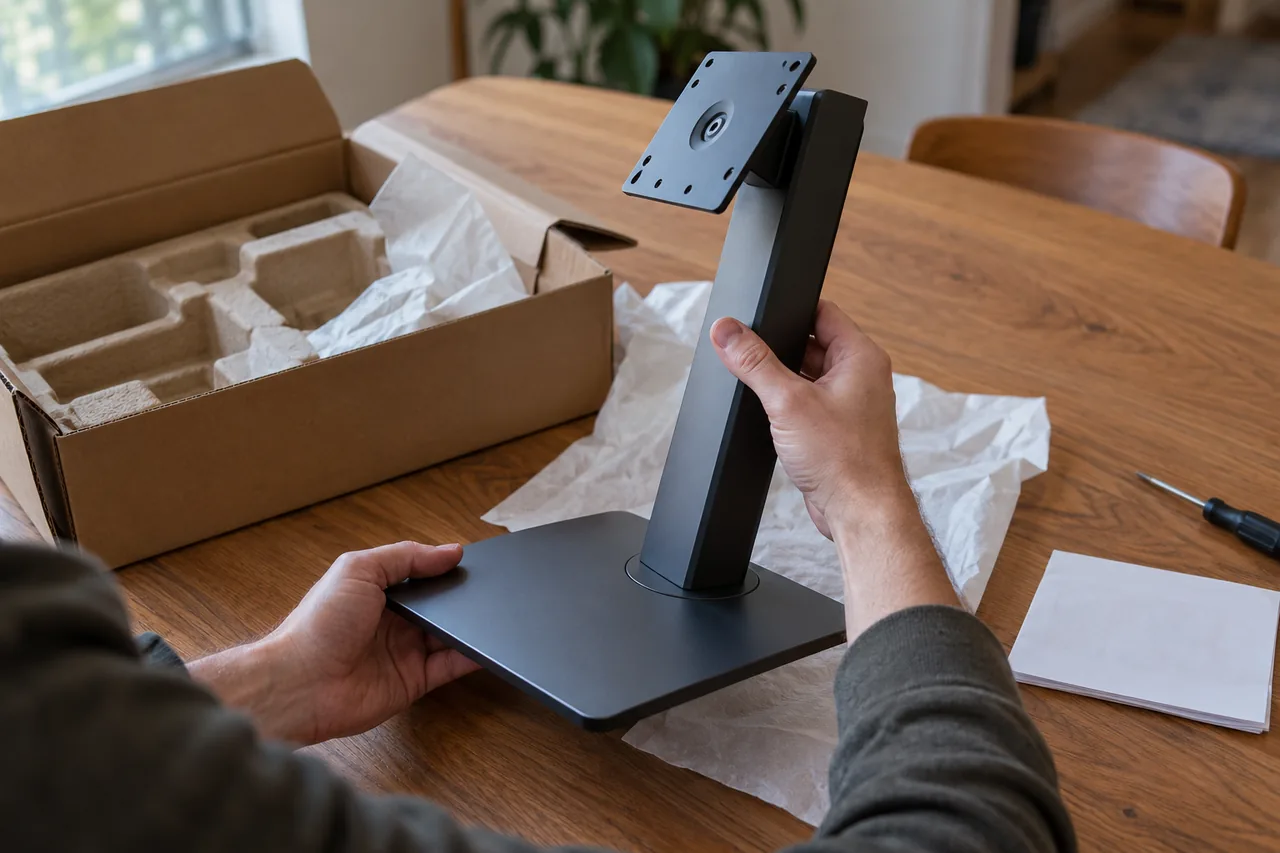
Imagine a fictional workspace creator receives an offer to try a monitor stand. It first asks whether the stand is a returnable loan and requests the manufacturer’s installation requirements. The creator checks whether its planned workspace and evaluation schedule suit the item before accepting.
After delivery, the creator records the condition and finds that it cannot evaluate a claimed use in its current setup. It tells the sender and narrows any proposed content to the aspects it can examine. The example supplies no verdict or measured result. It demonstrates a process for avoiding an unsupported recommendation simply because the sample has arrived.
Close the sample cycle
Document what was evaluated, what was published, and what remains uncertain. If no article results, preserve the reason internally and communicate any agreed next step. For a loan, confirm return logistics and completion. For an item retained, follow your own practical disposal or storage policy and avoid creating misleading sales material from evaluation assets.
Review the policy periodically as your workload and formats change. Publish a short version so prospective senders understand your editorial focus, intake process, and independence. Keep any detailed commercial terms in the appropriate private agreement. A clear policy reduces pressure on both sides and helps distinguish a sample’s logistical history from the evidence behind a recommendation.
Frequently asked questions
Does accepting a free sample require a positive review?
It should not be treated as a promise of praise. Clarify expectations before accepting and make any published evaluation reflect what you can honestly establish.
Should I accept every sample in my niche?
No. Consider audience relevance, available time, evaluation capability, and handling conditions. Declining an unsuitable item can be the responsible editorial choice.
Sources and further reading
Program features, eligibility and terms can change. Check the official documentation before applying or promoting an offer. Examples in this guide are illustrative.
Put the next step into practice
Explore the free LinkRush campaign planner or continue learning below. Planning tools save your work in your browser.
Explore the workspace →