How to Build Affiliate Comparison Pages That Help People Choose
Create useful affiliate comparison pages with matched criteria, clear tradeoffs, source dates, and buyer-specific recommendations without invented tests.
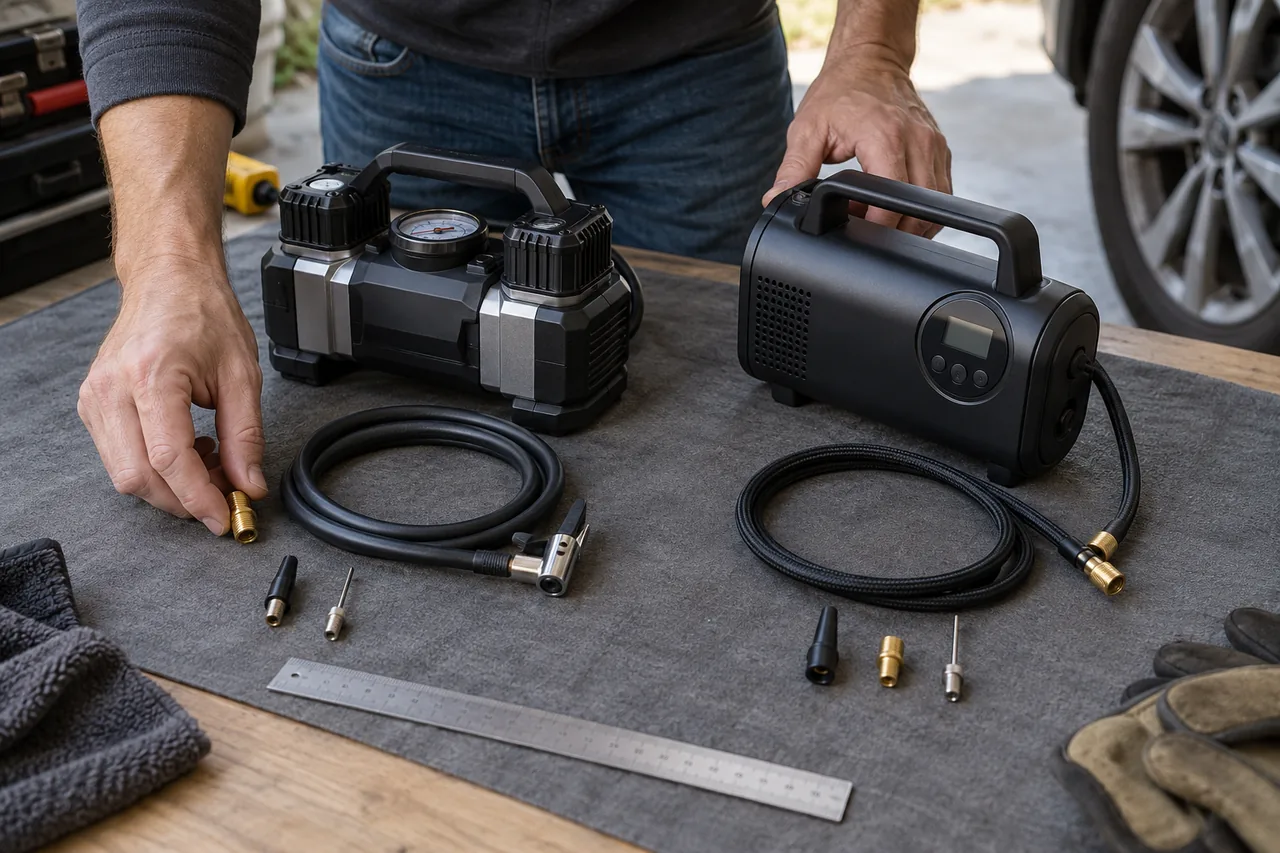
A comparison page should make the difference between two options understandable. Listing specifications side by side is only a starting point. Readers need to know which differences affect their work, what remains uncertain, and what they should check before committing. A good comparison can acknowledge that neither option suits a particular buyer. That honest boundary helps the page serve a decision instead of behaving like two advertisements.
Define a fair comparison
Compare options that solve the same broad problem. Record the exact product version, subscription tier, region, and research date. A free plan and an enterprise package may share a brand name while offering entirely different capabilities. Explain those differences before presenting a verdict.
Choose criteria from the audience’s task: setup time, compatibility, portability, support access, export options, or cancellation process. Avoid giving every advertised feature equal weight. Ask what would make a reader regret the purchase. Those questions often reveal more useful criteria than a manufacturer’s feature list.
Separate facts from judgment
Build a source sheet with one row per claim. Include its official source, last verification date, and any qualification. If a feature is undocumented, label it unknown rather than assuming it is absent. Keep a separate column for your interpretation: a cable requirement may be inconvenient for a mobile user without being a defect.
Google’s review guidance encourages explaining differences and supporting recommendations with evidence. If you have not handled the products, describe the page as a specifications or documentation comparison. Do not write “we tested” or publish invented scores. Authorized images can illustrate the products, while an original diagram can explain a workflow without suggesting ownership.
Worked example: two fictional scheduling tools
Suppose a solo consultant compares fictional Tool Cedar and Tool Harbor. Cedar documents simple booking links; Harbor documents team assignment rules. A useful table includes booking setup, team routing, calendar compatibility, and export availability. The article then explains that a solo operator may value simple setup, while a growing agency should investigate routing and administration.
The editor does not declare Harbor better merely because it has more features. Instead, the page presents three buyer scenarios and a short verification checklist. An agency reader is told to confirm the number of included users and whether its calendar system is supported. All names and capabilities in this example are illustrative.
Publish a verdict that survives scrutiny
Write a short “choose this if” section for each option and a “consider another approach if” section. Put the affiliate relationship disclosure where readers can notice it before following commercial links. Use meaningful button text such as “Check current plan details” rather than manufacturing urgency.
Schedule a review whenever a tier, version, or important feature changes. Keep the table readable on a phone and repeat its key conclusions in prose for accessibility. Track unanswered reader questions and add explanations where needed. The aim is a comparison readers can actually use, even when they decide not to buy through your links.
Frequently asked questions
Should the higher-commission product win?
No. Evaluate options using the criteria promised to the reader. Commission is a business consideration, not evidence that a product is more suitable.
Can a comparison include more than two products?
Yes, provided the page stays readable. For a larger shortlist, group products by use case and give enough detail for each recommendation to be understood.
Sources and further reading
Program features, eligibility and terms can change. Check the official documentation before applying or promoting an offer. Examples in this guide are illustrative.
Put the next step into practice
Explore the free LinkRush campaign planner or continue learning below. Planning tools save your work in your browser.
Explore the workspace →