Beauty Affiliate Content with Evidence: Write Useful, Honest Comparisons
Build beauty affiliate content with clear evidence labels, routine context, ingredient-source notes, honest imagery, and limits on personal experience claims.
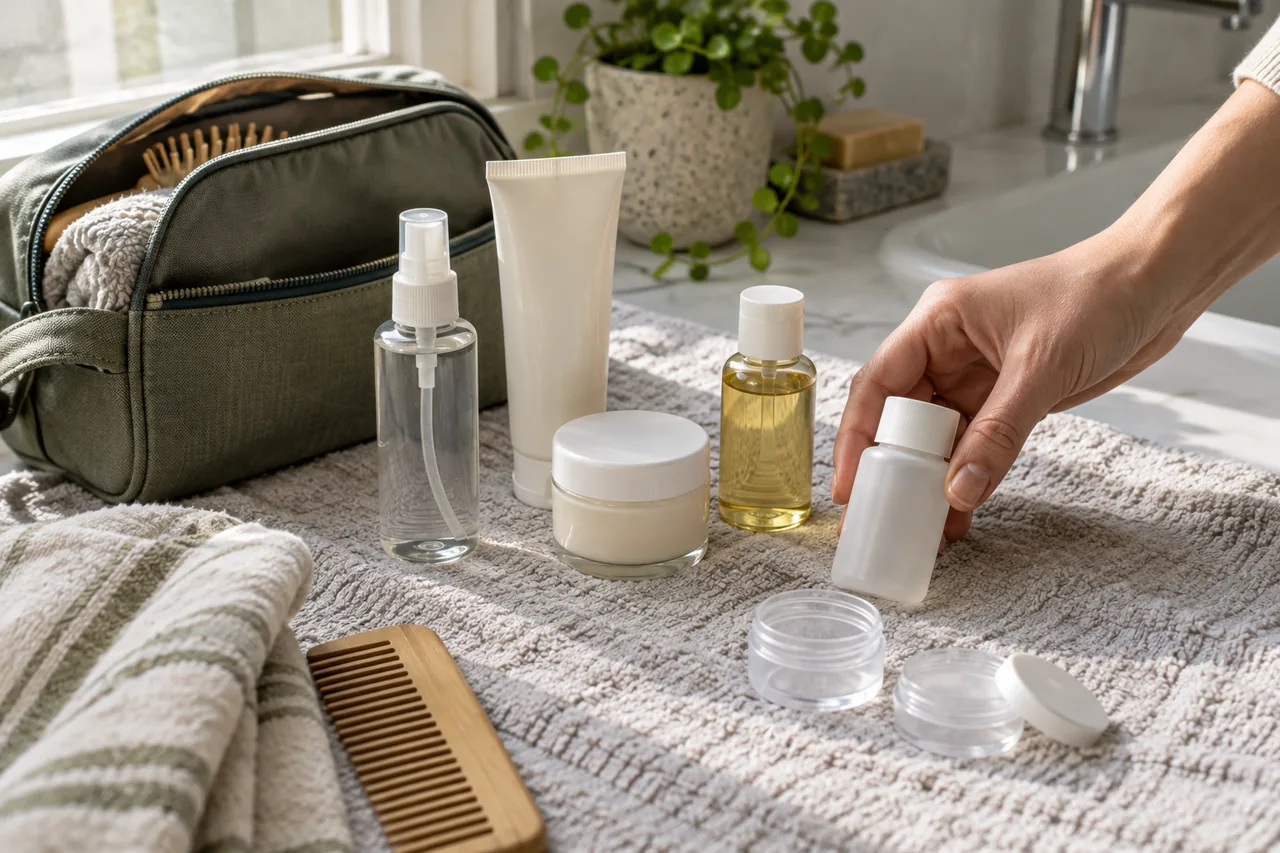
Beauty affiliate publishing can offer practical help without promising transformations. Readers may need to compare packaging formats, organize a routine, or understand what a product label says. The challenge is to separate documented details from subjective impressions and unsupported results. A clear evidence system lets your content remain useful even when you have not personally tried every item.
Choose a narrow editorial question
Start with a decision such as selecting a travel container, comparing dispenser formats, or documenting a product routine. Ask what the reader wants to simplify and what information would change the choice. Avoid beginning with an affiliate product and inventing an urgent personal problem around it.
For ingredient or suitability questions, distinguish label information from individualized advice. Do not imply a guide can diagnose a skin condition or replace a qualified professional's assessment. A useful shopping worksheet can record questions for the manufacturer or professional without providing unsupported answers.
Include a note identifying which parts of the routine are optional. That makes the article useful to readers with different habits and avoids implying that every featured product is necessary to follow the guide.
Label the evidence in the article
Use separate headings for stated product details, personal observations, and unresolved questions. A documented package size is different from an impression of texture, which is different again from a claim about a measurable effect. Each conclusion should stay within the evidence available.
If you received a sample or payment, explain that relationship alongside any affiliate compensation. Do not fabricate first-person use. When summarizing a label, preserve important qualifications and identify the source. A research comparison should not read like a personal diary of results that never happened.
Work through a fictional travel routine
Imagine a fictional reader packing for a three-night trip with limited luggage space. The article compares refillable containers, original packaging, and leaving optional products at home. It asks the reader to check packaging instructions, transport requirements, and whether transferring the product is appropriate.
A compact format might save room while making identification harder. Original packaging might occupy more space while keeping instructions available. These are decision questions, not product performance findings. Affiliate destinations appear only after the guide explains the reader's priorities and what must be checked for the actual trip.
Use pictures that do not overstate results
Show packaging, organization layouts, or clearly labeled conceptual illustrations. Do not use generated before-and-after faces to suggest a product caused a change. Retouching and lighting can alter visual impressions, so disclose relevant context if a photograph is used as evidence.
Avoid unsupported superlatives such as universally safe, perfect for every skin type, or guaranteed results. A realistic comparison includes who may need a different option and why the evidence does not settle every individual decision. A commercial relationship should never determine which limitations disappear from the page.
Make maintenance part of the workflow
Keep records of label versions, manufacturer references, permission to use images, and article review dates. Product formulas, packaging, and instructions may change. When the linked item changes, check the whole comparison rather than only updating the button.
Create related pages around storage, travel organization, and evidence interpretation. Readers should find a distinct purpose on each page. Questions about missing label details can guide follow-up research, while claims about personal effects need careful handling. Build trust through accurate scope and transparent evidence instead of publishing an endless series of dramatic product promises.
Frequently asked questions
Can I publish a beauty comparison without trying the products?
Yes, as a clearly labeled research comparison. Do not claim personal experience or outcomes, and keep conclusions within the documented evidence.
What pictures are useful for this niche?
Packaging, label details used with permission, and routine layouts can clarify choices. Avoid imagery that falsely implies a product caused a physical transformation.
About this guide
This guide presents an original planning framework and hypothetical examples. It does not report a product test or measured commercial result.
Program features, eligibility and terms can change. Check the official documentation before applying or promoting an offer. Examples in this guide are illustrative.
Put the next step into practice
Explore the free LinkRush campaign planner or continue learning below. Planning tools save your work in your browser.
Explore the workspace →