Affiliate Pinterest Content: Create Useful Pins With Honest Destinations
Design affiliate Pinterest content around practical visual questions, relevant article destinations, original assets, and careful checks of current policies.
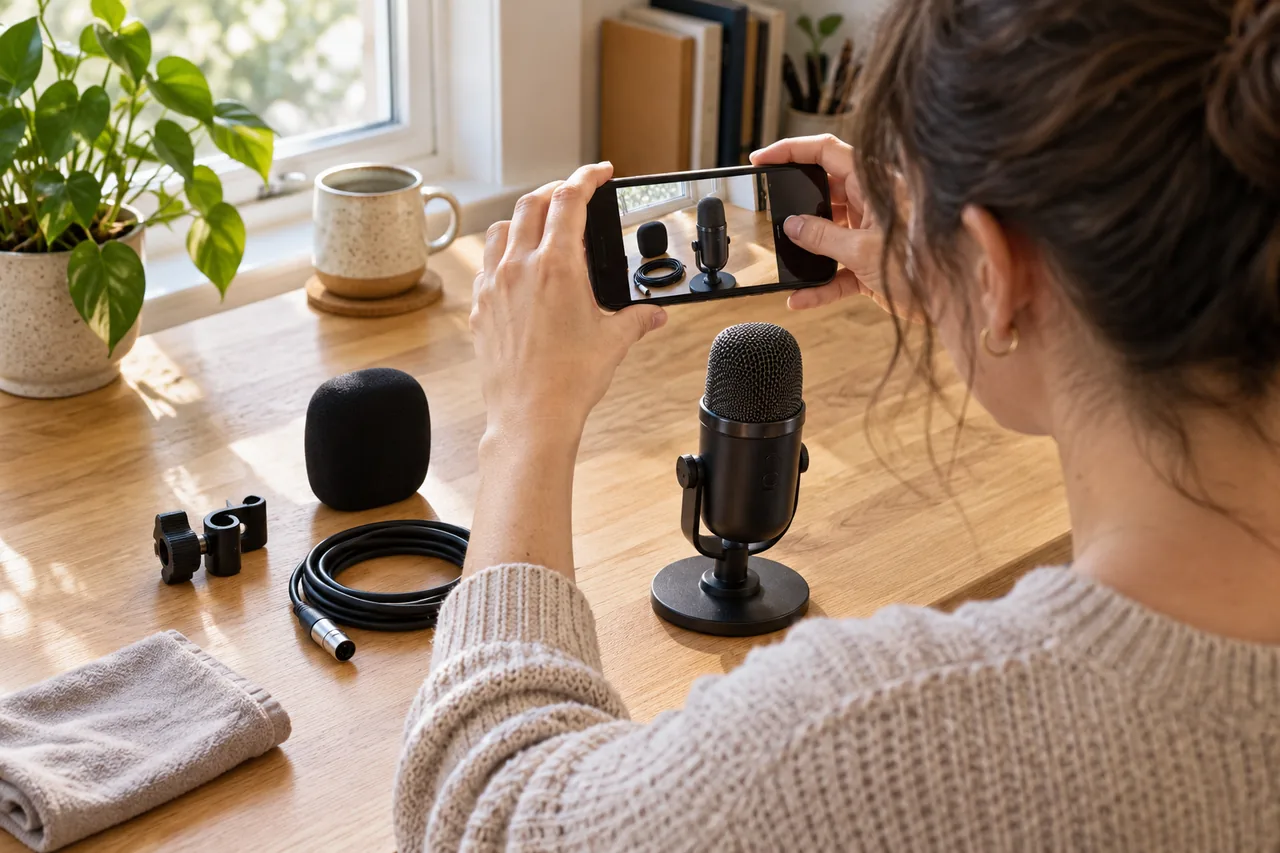
Pinterest content works best when the visual gives someone an idea they can use or return to. For an affiliate publisher, that might be a checklist, a setup illustration, or a comparison of practical options. Start with a useful website resource and create a pin that introduces its value honestly. The image, title, and destination should tell the same story instead of promising a shortcut the article cannot deliver.
Choose a visual question
Look for a topic that can be understood at a glance: a desk setup checklist, equipment packing guide, or sequence for comparing subscription plans. Decide what the pin can communicate by itself and what needs a full article. A simple diagram can teach more than a collage of unrelated products.
Make the text readable on a small screen and use a clear hierarchy. Identify the topic with natural words rather than a string of trending phrases. If you use a product photograph, confirm that you have the necessary rights. An original illustration can represent a concept without implying that you tested the pictured equipment.
Build a destination worth opening
The linked page should fulfill the pin’s promise immediately. If the image says “check these four requirements before buying,” put that checklist near the start of the article. Avoid sending visitors to a generic homepage where they must search again. Keep commercial recommendations relevant to the question and explain the affiliate relationship clearly.
Review Pinterest’s current community guidelines and the relevant affiliate program’s terms before publishing commercial content. Do not assume that a link format permitted by one program is accepted by another. A site article can be a useful destination, but it should contain substantial guidance rather than acting as a thin intermediary for a seller link.
Worked example: a creator workspace checklist
Imagine a hypothetical pin titled “Before you buy a desk microphone.” It shows four illustrated checks: connection, room noise, mounting space, and recording software. The linked guide explains each item with questions readers can answer about their own setup. It then offers a clearly labeled section about researching suitable options.
A second original pin for the same guide could focus on the connection checklist with a genuinely different visual and explanation. It should not pretend to be a separate topic or reuse an image endlessly across the homepage. The aim is to introduce different useful aspects of the resource without making misleading performance promises.
Maintain the pin and the article together
Check the destination on a phone, verify that pictures load, and ensure the page remains accessible without an unnecessary account barrier. Write meaningful image descriptions where the publishing interface supports them. Keep an asset register with image source, permitted use, article destination, and publication date.
Review any available platform and website engagement reports alongside reader feedback. Saves, visits, and affiliate outcomes represent different actions and should not be conflated. If a pin attracts attention but the article does not answer its question, improve the match before creating more designs. Revise or retire outdated pins when their destinations or claims change. Consistent usefulness is a practical editorial goal; virality cannot be scheduled or guaranteed.
Frequently asked questions
Should every pin link straight to a product?
Choose the destination that fulfills the promise, then verify that Pinterest and the affiliate program permit the method. A detailed article may suit a decision that needs explanation.
Can I use pictures found on Pinterest in my own commercial pin?
Finding an image does not establish reuse rights. Obtain permission or use assets you own or are licensed to use, and preserve the relevant license information.
Sources and further reading
Program features, eligibility and terms can change. Check the official documentation before applying or promoting an offer. Examples in this guide are illustrative.
Put the next step into practice
Explore the free LinkRush campaign planner or continue learning below. Planning tools save your work in your browser.
Explore the workspace →