Outdoor Gear Affiliate Content: Compare Use Cases Before Specifications
Develop outdoor gear affiliate guides around trip conditions, packed dimensions, maintenance needs, evidence limits, and clearly defined comparison scenarios.
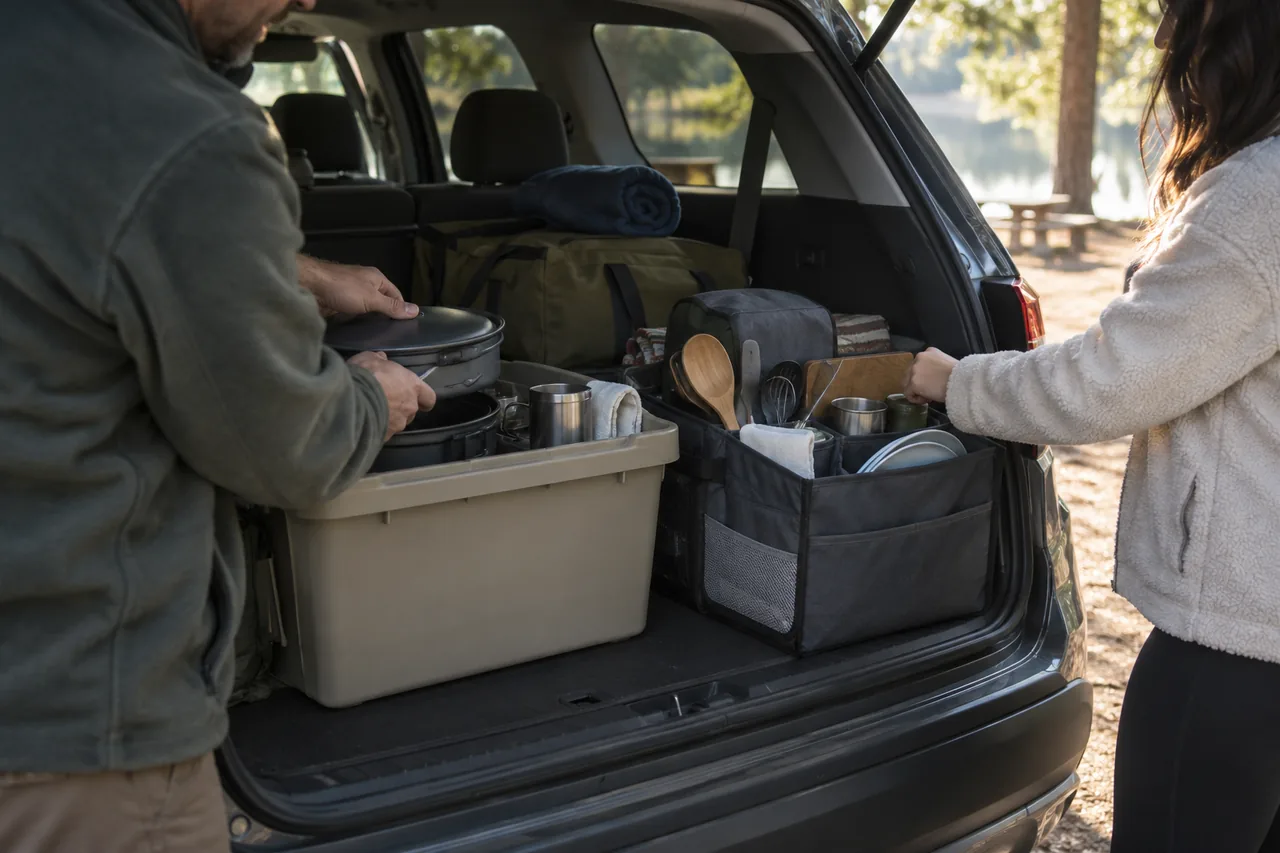
Outdoor equipment guides need a defined setting. A picnic organizer, a campground storage box, and equipment for a remote expedition belong to different decisions. Start with ordinary use cases you can explain accurately, and separate convenience comparisons from specialist safety guidance. The objective is to help readers assess fit, not persuade them that one product suits every adventure.
Name the trip conditions
Define duration, transport method, expected storage space, and who carries the item. An accessory transported in a car can be bulky in ways that a walking-trip item cannot. Ask which existing equipment it must work alongside and what packing limits affect the decision.
Document the assumptions directly on the page. If the guide addresses casual campground organization, do not frame it as expedition advice. Readers should understand when the scenario no longer applies. This scope also helps you exclude affiliate offers that look appealing but do not solve the stated problem.
Separate specifications from field performance
Manufacturer dimensions and stated materials can support a packing comparison. Claims about weather resistance, endurance, or reliability require appropriate evidence and context. Do not convert promotional language into a statement that you personally verified performance.
If you have used the gear, record conditions, duration, and limitations. If not, present a research-based checklist and identify unanswered questions. Avoid illustrations that imply a real expedition or product stress test. A labeled packing diagram may be more helpful than a heroic scene unrelated to the guide's ordinary use case.
Build a fictional weekend packing scenario
Imagine a fictional family taking a two-night car camping trip. They need to organize cooking accessories and keep frequently used items accessible. The guide compares a rigid box with a foldable organizer using packed space, access, cleaning, and setup time as questions.
Neither option is named as best overall. The rigid format might suit an available boot compartment; the foldable format might suit storage at home. These are proposed tradeoffs in an invented scenario, not tested outcomes. The article includes a measurement worksheet so readers can adapt the comparison to their vehicle.
Choose links after explaining the tradeoff
Place shopping destinations after the relevant criteria and show what to verify in a listing. Check the merchant's region, return terms, and any restrictions on your promotional format. Keep affiliate compensation clear and do not invent live scarcity or an expiring bargain.
For safety-critical or technical equipment, route readers to qualified instruction and current manufacturer guidance rather than suggesting a purchase replaces training. Your editorial boundary should remain clear even if the advertiser offers a large reward. Useful organization guides do not need exaggerated survival promises to attract the right audience.
Maintain the guide by scenario
Create a content register linking each recommendation to its trip scenario and evidence. When an item changes, reassess it against those requirements. Replacing a compact organizer with a large one solely because the first listing disappeared can break the logic of the article.
Develop related pages for packing measurements, storage routines, and cleaning instructions. Gather questions about missing constraints and add explanations where appropriate. Measure engagement with those tools as well as approved affiliate outcomes. A practical outdoor library teaches readers to make comparisons, which keeps it useful when individual products or merchants change.
Frequently asked questions
Can I call equipment field-tested after reading reviews?
No. Distinguish your own documented experience from other sources and label research-based comparisons honestly.
Should a convenience guide recommend technical safety equipment?
Only within suitable expertise and evidence. Keep scope clear and direct readers to qualified instruction and current manufacturer information for specialist needs.
About this guide
This guide presents an original planning framework and hypothetical examples. It does not report a product test or measured commercial result.
Program features, eligibility and terms can change. Check the official documentation before applying or promoting an offer. Examples in this guide are illustrative.
Put the next step into practice
Explore the free LinkRush campaign planner or continue learning below. Planning tools save your work in your browser.
Explore the workspace →