Kitchen Equipment Affiliate Guides: Plan Storage, Cleaning, and Use
Write kitchen equipment affiliate guides around meal routines, counter measurements, storage, cleaning instructions, and comparisons without invented tests.
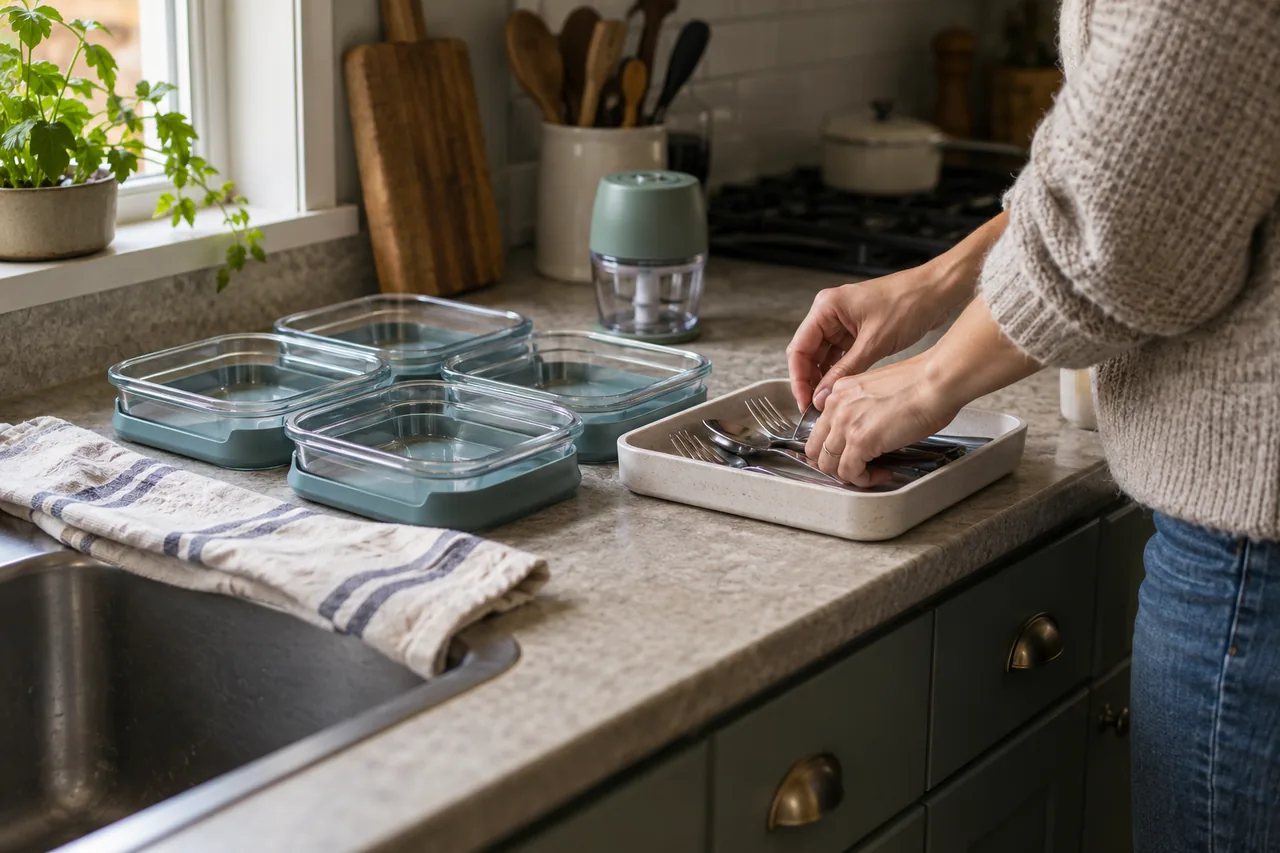
Kitchen equipment guides can help readers decide whether an item fits their routine rather than encouraging a collection of rarely used appliances. A useful affiliate article connects the purchase to a specific preparation task and its cleanup. It also makes room for deciding that existing equipment is enough. Start with the kitchen's real constraints before compiling a shopping list.
Define the preparation routine
Choose a task such as preparing weekday lunches, organizing baking tools, or storing dry ingredients. Record the usual quantity, available time, existing equipment, and space. A single-person kitchen and a household cooking larger batches may require different formats.
Ask what actually creates friction: access, cleanup, limited storage, or missing functionality. A new appliance may not solve an organization problem. Explain the routine in plain language and identify the decision the article will support. Avoid making broad claims that everyone needs the same gadget.
Add a decision point for occasional use: would borrowing, using existing tools, or changing the preparation routine address the need? Present these as options to consider rather than assuming ownership is always the preferred outcome.
Compare the whole ownership cycle
Record setup, use, cleaning, drying, and storage questions for each format. Use current manufacturer instructions for model-specific requirements and supported uses. Product dimensions should be checked against the reader's counter, cupboards, and access route rather than treated as isolated specifications.
Separate stated capacity from assumptions about realistic output or convenience. If you have not tested the equipment, do not invent meal results, cooking times, or cleanup experiences. A document-based comparison can focus on what the reader needs to verify and which tradeoffs remain unanswered.
Create a fictional lunch-preparation scenario
Imagine a fictional household preparing four packed lunches at a narrow counter. The guide compares a compact preparation tool with organizing the existing utensils into a dedicated tray. It asks how much space each setup occupies and what needs cleaning afterward.
A larger tool might add functions while creating storage difficulties. The tray might improve access without adding capability. These are hypothetical decision options, not product test findings. The article includes a worksheet for routine frequency, storage location, and instructions to review. Affiliate links appear only where a product serves that specific choice.
Keep instructions and evidence honest
Do not substitute editorial guesses for appliance safety or operating instructions. Direct readers to the exact manufacturer's manual for installation and use. Avoid unsupported health claims about cooking methods or materials; keep the guide within practical ownership comparisons.
Disclose compensation and label conceptual layouts. If you publish actual testing, describe the model, conditions, recipe context, and limits. A staged photograph should not suggest a completed test. Obtain permission for merchant imagery and verify that its depiction matches the exact item linked in the guide.
Build routine-based related articles
Create separate pages for measuring a storage space, comparing cleaning requirements, and organizing frequently used tools. Each should solve a different part of the routine. Connect pages at practical decision points rather than repeating all products everywhere.
Keep a register of manuals, dimensions, permissions, and review dates. When a recommended item changes, reassess its fit to the routine. Reader questions about storage or cleanup can reveal missing information. Evaluate the quality of the decision support alongside approved commissions. An article that helps someone avoid an unnecessary appliance can still build a useful, credible niche publication.
Frequently asked questions
Can I write a buying guide without cooking with the item?
Yes, if you label it as researched and avoid claims about personal results. Explain documented features and the questions that require verification.
Should every routine recommend a new appliance?
No. Compare the existing setup and simpler organization options first. A purchase belongs only when it addresses the stated task and constraints.
About this guide
This guide presents an original planning framework and hypothetical examples. It does not report a product test or measured commercial result.
Program features, eligibility and terms can change. Check the official documentation before applying or promoting an offer. Examples in this guide are illustrative.
Put the next step into practice
Explore the free LinkRush campaign planner or continue learning below. Planning tools save your work in your browser.
Explore the workspace →