Automotive Affiliate Marketing: Build Guides Around Real Vehicle Needs
Plan automotive affiliate content around vehicle compatibility, buying questions, transparent product evidence, permitted links, and practical checklists.
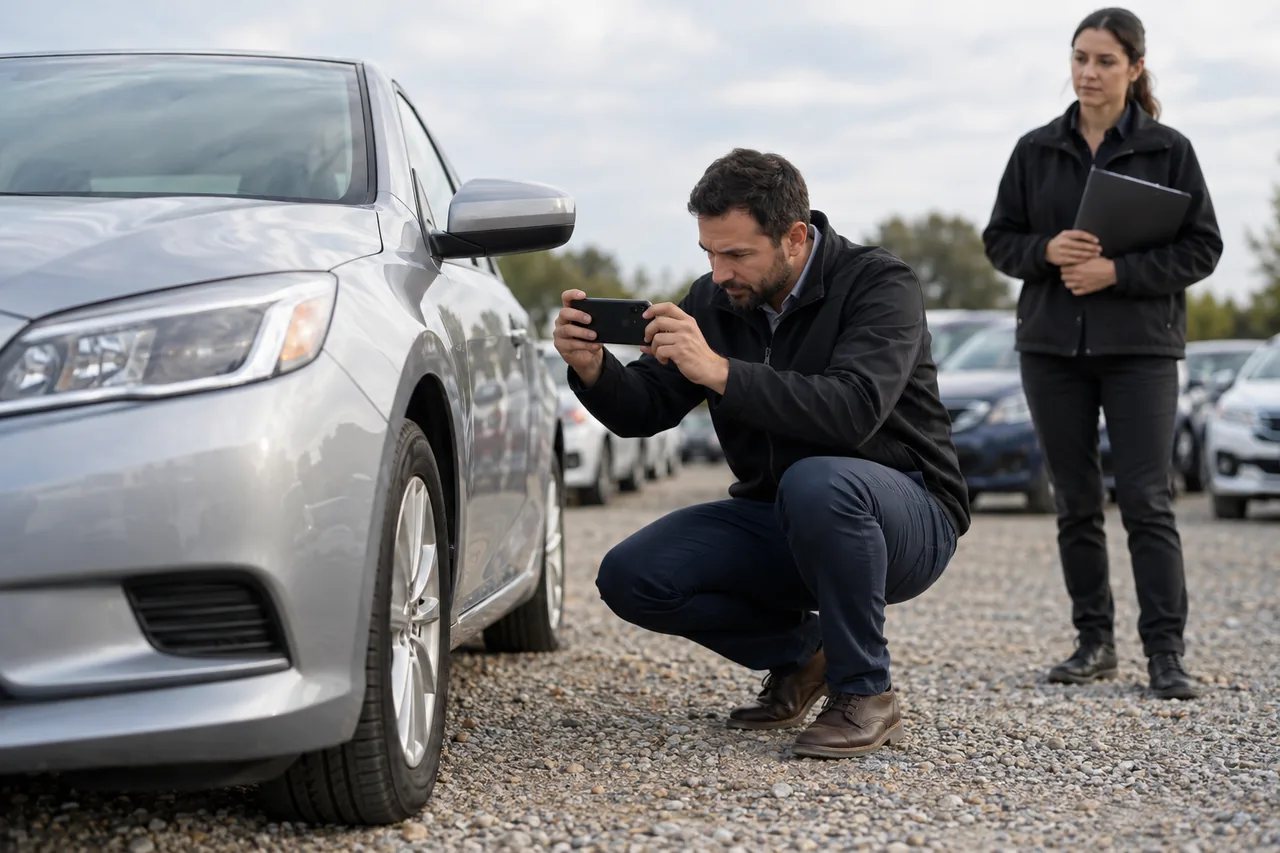
Automotive affiliate content works best when it answers a specific vehicle question. A reader preparing a car for transport has different needs from a workshop buying diagnostic equipment. Combining every accessory into a generic shopping list can create clicks without helping either person make a safe, informed decision.
Choose a narrow reader and task
Start with one task such as documenting vehicle condition, organizing a roadside kit, or selecting tools for routine inspections. Define the reader's experience and vehicle category. An individual owner, used-car dealer, exporter, and professional technician may need different levels of detail and different equipment.
Map the information required before buying: vehicle compatibility, power supply, dimensions, supported functions, installation demands, and relevant manufacturer instructions. Do not infer that an item fits every vehicle because its listing uses broad promotional wording. Explain which details the reader needs to check independently.
Distinguish evidence from advertising
A product listing is a source of stated specifications, not proof of real-world durability or performance. If you have tested a product, describe the conditions and limitations. If you have not, label the article as a specification-based buying guide and avoid invented ratings, photographs of supposed tests, or claims that a tool diagnosed a fault.
Where affiliate links or other compensated recommendations appear, explain the relationship clearly. Program rules also affect how links, product images, and pricing can be displayed. Use authorized materials and live terms rather than assuming a retail photo is free to republish.
Write a hypothetical dealer guide
Imagine a fictional used-car dealer preparing ten vehicles for buyer viewings. The article proposes a condition-photo checklist, a place to store inspection notes, and questions to ask before choosing a diagnostic scanner. It explains that supported vehicle systems and functions must be verified with the manufacturer for each intended model.
The editor includes a small decision table: documentation needs, compatibility evidence, required training, and purchase destination. The table does not claim any scanner finds every hidden problem. It also explains when professional inspection is more appropriate than purchasing another gadget.
Build a content and maintenance plan
Publish task-focused guides before broad best-product lists. A vehicle preparation checklist can link to a buying guide when an accessory has a clear role, while the buying guide links back to its practical context. This gives readers a useful path without forcing a purchase at every step.
Keep model-specific claims, compatibility references, and review dates in an editorial register. Revisit articles when destinations fail or manufacturers change documentation. Remove expired offers promptly instead of advertising discounts you cannot verify.
Measure whether readers reach the appropriate next step, not just whether they click a button. Approved transactions, useful questions, and reader feedback can identify gaps. A transport business can use its domain knowledge to explain the process, but it should not imply that affiliate products are required to book shipping or guarantee damage prevention.
Frequently asked questions
Can automotive guides include affiliate products?
Yes, when recommendations are relevant, truthful, clearly disclosed, and consistent with the applicable program rules.
Should I claim a tool works on every car?
Only make claims supported by appropriate evidence. In practice, direct readers to current manufacturer compatibility information for their vehicle and intended function.
Sources and further reading
Program features, eligibility and terms can change. Check the official documentation before applying or promoting an offer. Examples in this guide are illustrative.
Put the next step into practice
Explore the free LinkRush campaign planner or continue learning below. Planning tools save your work in your browser.
Explore the workspace →