Affiliate Content Approval Workflow: Review Clearly Without Endless Revisions
Create an affiliate content approval workflow with scoped checks, consolidated feedback, and clear handoffs for advertisers, editors, and creators.
Content approval works best when everyone knows what is being reviewed and why. An advertiser may need to check product details or agreed campaign requirements, while a creator needs room to communicate in their own voice. Define the scope before production starts. A workflow built after a draft arrives often produces contradictory comments, rushed changes, and uncertainty about who can give the final answer.
Set the review scope in the brief
Write down the parts that require review: factual product statements, brand assets, offer information, or agreed placement details. Separate those checks from preferences that the creator can consider without treating them as mandatory edits. Confirm the draft format, reviewers, and expected sequence. If a reviewer wants to assess a video before final production, specify whether they need a script or a rough cut. This prevents expensive rework caused by people imagining different approval stages after the work has already begun.
Choose one feedback coordinator
Collect feedback from relevant reviewers through one accountable coordinator. Several people can contribute expertise, but the creator should receive a coherent response rather than competing instructions. The coordinator resolves contradictions, labels required corrections, and preserves questions that still need a decision. Use comments tied to an exact passage or timestamp. Explain the concern and the desired outcome instead of rewriting every sentence by instinct. Where the creator can choose the solution, say so clearly and avoid turning a preference into a hidden condition.
Track a limited number of states
Use simple statuses such as submitted, under review, changes requested, ready, and published. Give each state an owner and an observable transition. “Ready” should mean the agreed review is complete, not that someone has merely stopped commenting. Record the version reviewed and the date of the decision. If material changes after approval, identify whether the change touches the agreed review scope. Keep the earlier approval record so the team can understand which version was assessed if questions arise later.
Protect the publication window
Work backward from the desired publication date and allow time for a meaningful revision. If a review is late, communicate the effect on the schedule instead of expecting the creator to absorb it silently. Define how urgent corrections are handled after publication. A workflow can include a fast route for a wrong destination without treating every stylistic disagreement as an emergency. Review repeated revision causes after the campaign and improve the brief or asset library where the same confusion keeps returning.
Worked example: an accessory demonstration video
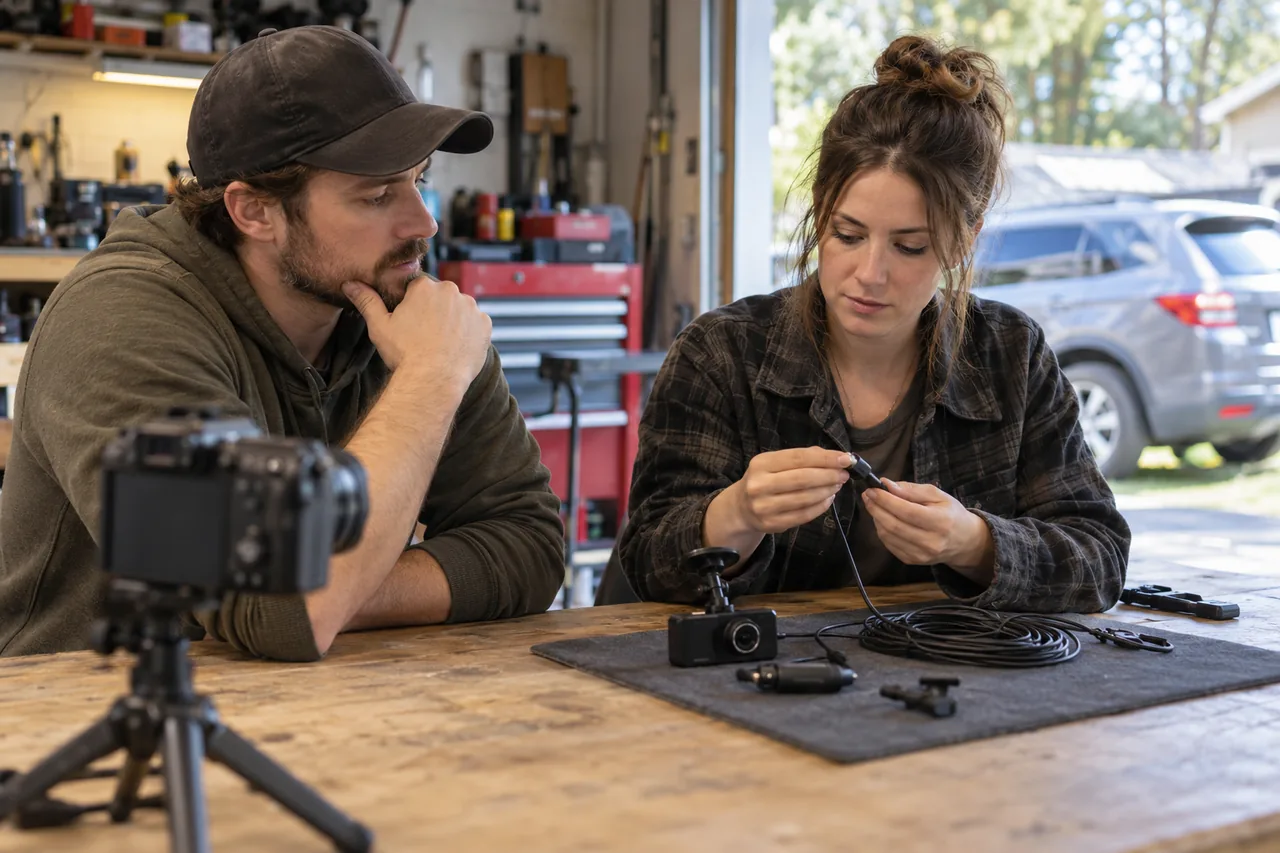
Imagine a creator submitting a rough cut for a car accessory campaign. The product specialist notices an unsupported compatibility statement, while the brand manager prefers a different opening line. The coordinator labels the compatibility correction as required and the opening suggestion as optional. The creator updates the claim, preserves their own introduction, and submits a revised cut. The coordinator records the final reviewed version. This hypothetical arrangement protects factual clarity and creator voice without promising that approval prevents every future dispute or guarantees a successful campaign.
Frequently asked questions
Should advertisers approve every sentence?
Scope the review to the relationship and campaign needs. Explain what requires a decision and what remains editorial discretion, so neither side discovers an unexpected approval requirement near publication.
How do we handle conflicting comments?
Ask the coordinator to resolve them before sending consolidated feedback. If a conflict reflects an unresolved campaign decision, pause that part of the work and name the person responsible for answering it.
About this guide
This guide presents an original planning framework and hypothetical examples. It does not report a product test or measured commercial result.
Program features, eligibility and terms can change. Check the official documentation before applying or promoting an offer. Examples in this guide are illustrative.
Put the next step into practice
Explore the free LinkRush campaign planner or continue learning below. Planning tools save your work in your browser.
Explore the workspace →